
What is the best way to prevent water damage at home?
Keep rain moving away from the house outside, and catch small leaks early inside. Clean gutters, downspouts that carry water well away from the foundation, fresh washer hoses, and a quick look under every sink a few times a year stop most of the losses we are called out for in Lacey. None of it is hard. It just has to happen before the pipe bursts, not after.
This page was reviewed and updated on October 13, 2026.
Outside: move rain away from the house
Lacey gets long, wet months, roughly from October through April, and your gutters carry all of it. Clean them at least twice a year, once after the fall leaves drop and once in spring. A gutter that overflows pours water down your siding and pools it against the foundation, right where it finds cracks and crawl space vents. Check that downspouts end several feet from the house, not right at the base of the wall. If water pools near the foundation after storms, the soil has likely settled toward the house over the years, and building that slope back up is simple dirt work that saves real money.
The hoses and lines that burst most often
If one part fails more than any other, it is the washing machine hose. Rubber hoses get brittle with age, and when one splits it can pour water for hours before anyone notices. Swap old rubber hoses for braided steel ones, and replace them every few years even if they look fine. Check the thin line that feeds your fridge ice maker, and the supply lines under the dishwasher. At the water heater, look for rust at the base, drips at the fittings, and a pan that is doing its job. A heater that is sweating or leaving rusty water is asking to be replaced on your schedule, not its own.
Under sinks, behind toilets, and other quiet leaks
Slow leaks do quiet damage for months. A few times a year, run your hand along the pipes under every sink and feel for damp. Look for water stains, soft or swollen cabinet floors, and a musty smell that was not there before. Around toilets, check the supply line fitting and watch for a toilet that rocks, because a rocking toilet breaks its wax seal and leaks a little with every flush. While you are down there, turn each small shut off valve a bit and back, so it still moves. A valve that has not moved in ten years often will not move on the one day you need it.
Basements and crawl spaces
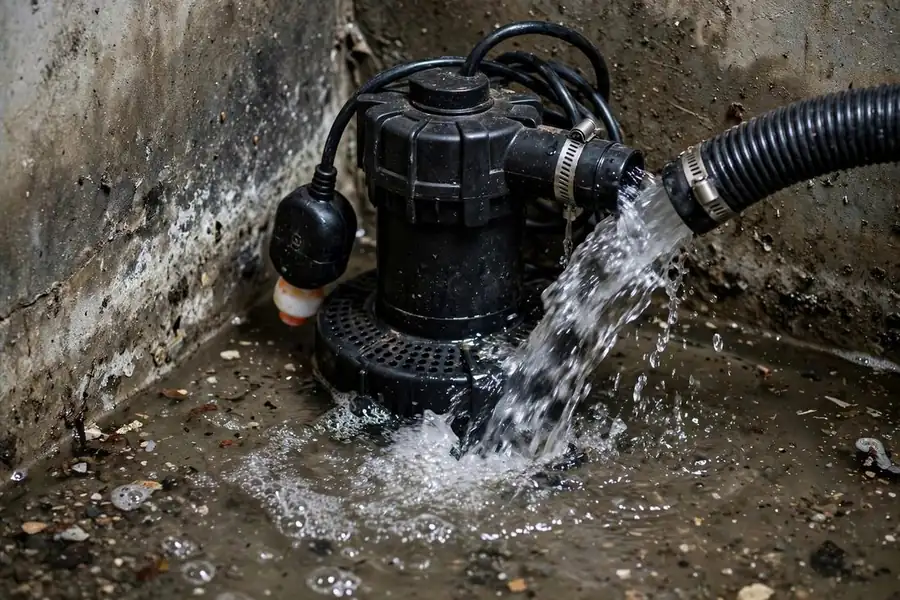
If your home has a sump pump, test it before the wet season. Pour a bucket of water into the pit and watch the pump kick on and empty it. A pump that hums and does nothing, or never starts, needs attention now, not during the next storm. In the crawl space, a sound vapor barrier and dry insulation are what you want to see, which is the whole point of our crawl space restoration work when things go wrong down there. Before winter cold snaps, wrap exposed pipes in the crawl space and garage with foam insulation. Cold snaps do reach Lacey most winters, and frozen pipes are a steady source of basement water extraction calls every time the temperature drops hard.
Know your main shut off valve before you need it
Every adult in the house should know two things: where the main water shut off is, and how to turn it. Find it on a calm weekend, not during a flood. Tag it with a ribbon or a label so it stands out. Turn it off and back on once to be sure it works, and check that the faucets actually stop. Those two minutes turn a burst pipe from a disaster into a bad afternoon, because the water stops fast and the damage stays small. Tape the number of a crew you trust next to the valve while you are at it.
More guides for Lacey homeowners
- What to Do After Water Damage in Your Lacey Home
- Does Homeowners Insurance Cover Water Damage?
- See all water damage services in Lacey, WA
Frequently Asked Questions
Need Help Now?
Call (360) 363-0413. We provide emergency response throughout Lacey and Thurston County.