
How long does water damage restoration take in a Lacey home?
A small clean water spill can be dry within a few days. A larger loss with soaked drywall, or a sewage backup, takes longer, and any rebuilding after drying adds more time on top. The water category, the size of the wet area, and how fast drying starts decide the timeline. Moisture readings, not the calendar, say when each stage is truly done.
This page was reviewed and updated on November 4, 2026.
What the timeline usually looks like
Most jobs have two phases. First comes drying. In a typical home, structural drying takes about three to seven days, with air movers and dehumidifiers running and moisture readings checked along the way. Then comes repair, if anything had to be removed. Patching drywall and paint is quick. Replacing flooring, cabinets, or wall sections takes longer, because each trade waits its turn. A small room with clean water might be fully done inside two weeks. A whole floor with a sewage backup can run several weeks from the first call to the last coat of paint.
What makes one job faster than another
Five things set the speed. The water category matters most: clean water dries fastest, gray water needs more cleaning, and black water like sewage needs full containment and removal, which is the slowest. Size matters next: one bathroom is not one basement. Materials matter too: tile over concrete dries fast, hardwood and drywall drink water and dry slow. Then there is timing: water that sat for a day has soaked deeper than water found in an hour. And if mold has started, treatment and verification add their own days.
Why the first day matters most
The US EPA warns that mold can start growing on wet material within 24 to 48 hours. That window is why crews push for same day emergency water removal. Fast extraction does not just stop the spread, it shortens everything after it. A carpet pulled up and dried within hours usually survives. The same carpet left sitting overnight often has to go. Every hour at the start saves days at the end.
How you will know each stage is done
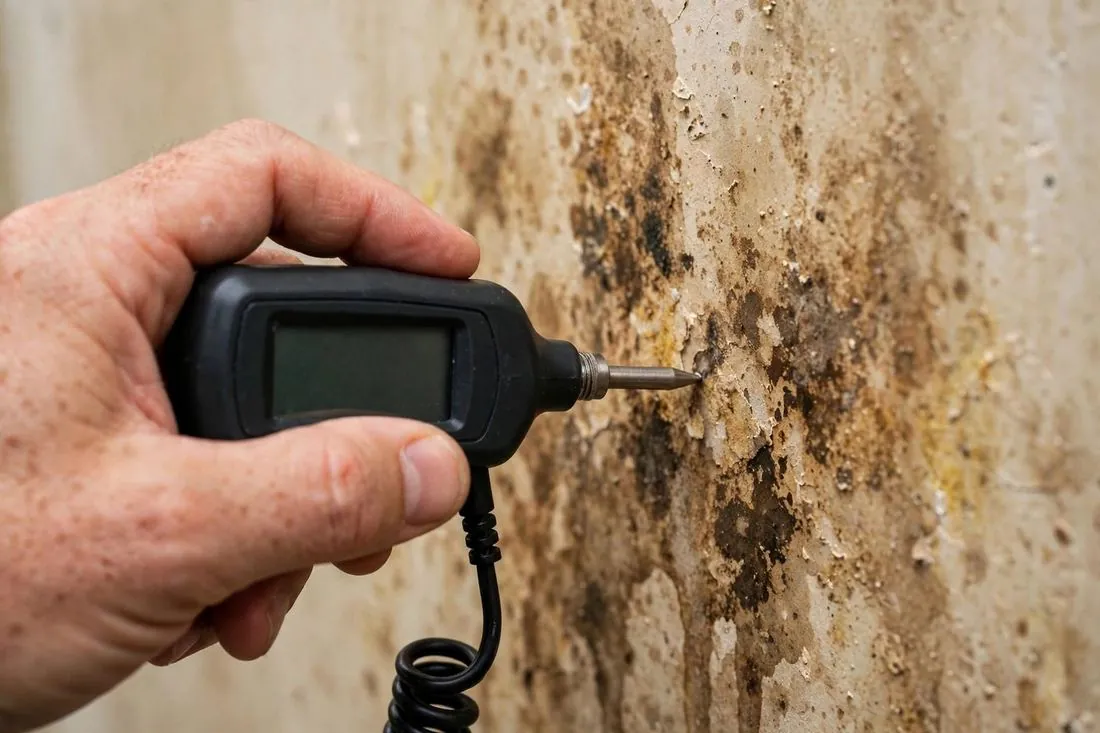
Touch is a liar. A wall can feel dry on the surface while the inside is still wet, and rebuilding on damp framing traps moisture that feeds mold later. Pros check with moisture meters and thermal cameras, comparing readings against dry material elsewhere in the home. Drying ends when the numbers match, not when it feels right. Ask to see the readings. A crew that can show you numbers is a crew doing the job properly.
More guides for Lacey homeowners
- Structural Drying in Lacey, WA
- What to Do After Water Damage in Your Lacey Home
- Does Homeowners Insurance Cover Water Damage?
- See all water damage services in Lacey, WA
Frequently Asked Questions
Need Help Now?
Call (360) 363-0413. We provide emergency response throughout Lacey and Thurston County.